Everything you need to know: transport, budget, local food, and essential travel tips.
Navigate the country seamlessly
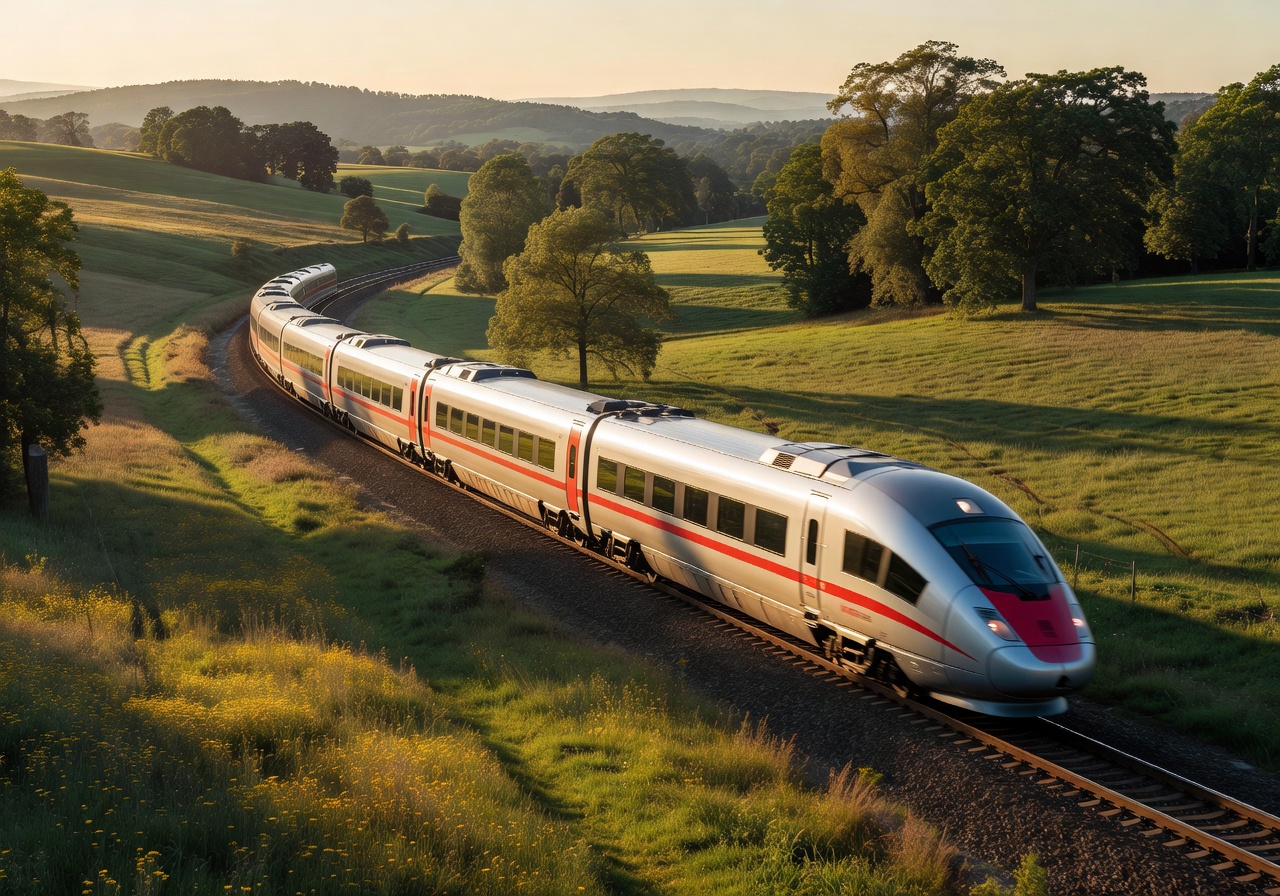
The best way to travel between major Polish cities. Fast, affordable, and highly reliable. The premium Pendolino trains connect Warsaw, Kraków, and Gdańsk in record time.
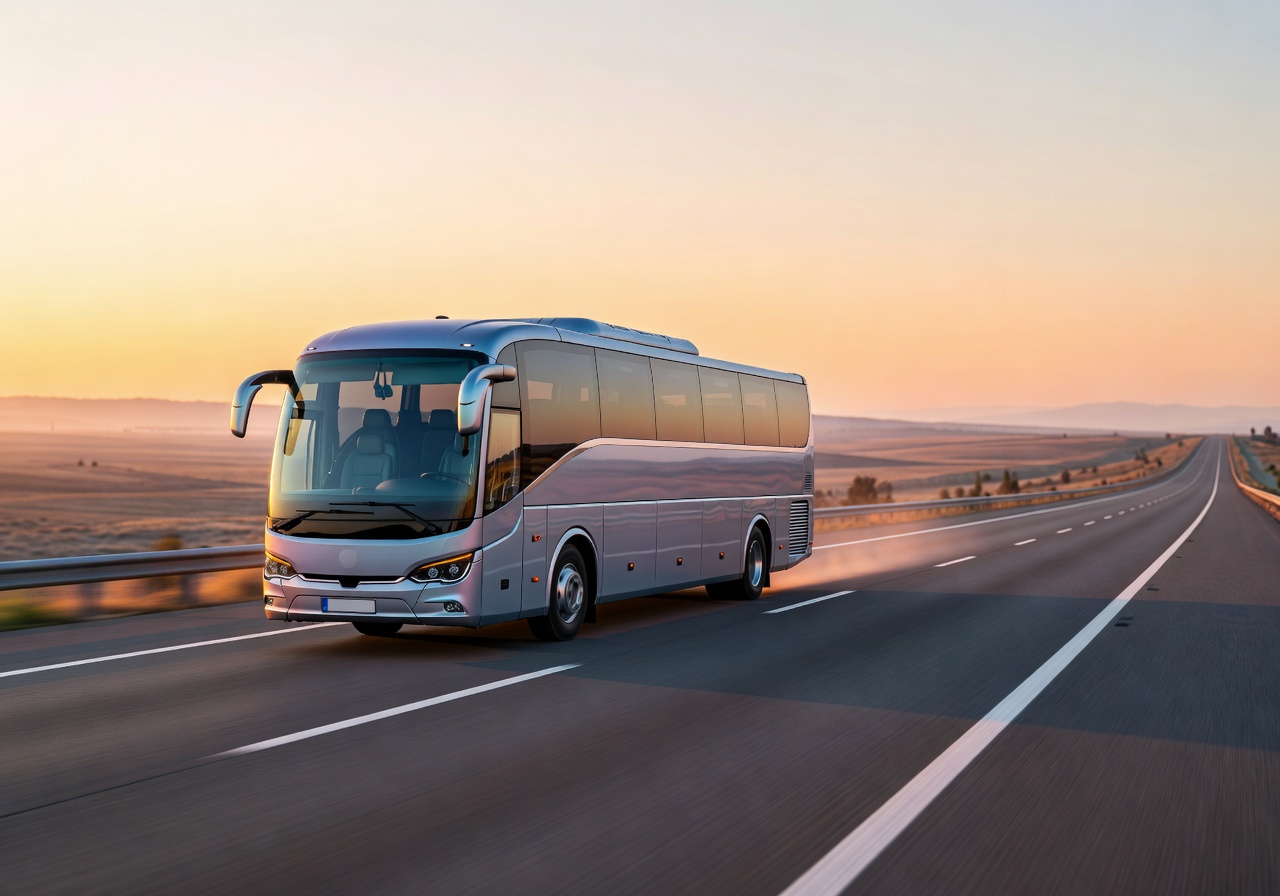
Ideal for budget travel and reaching smaller towns like Zakopane or specific historic sites. Buses are modern, equipped with Wi-Fi, and very inexpensive.
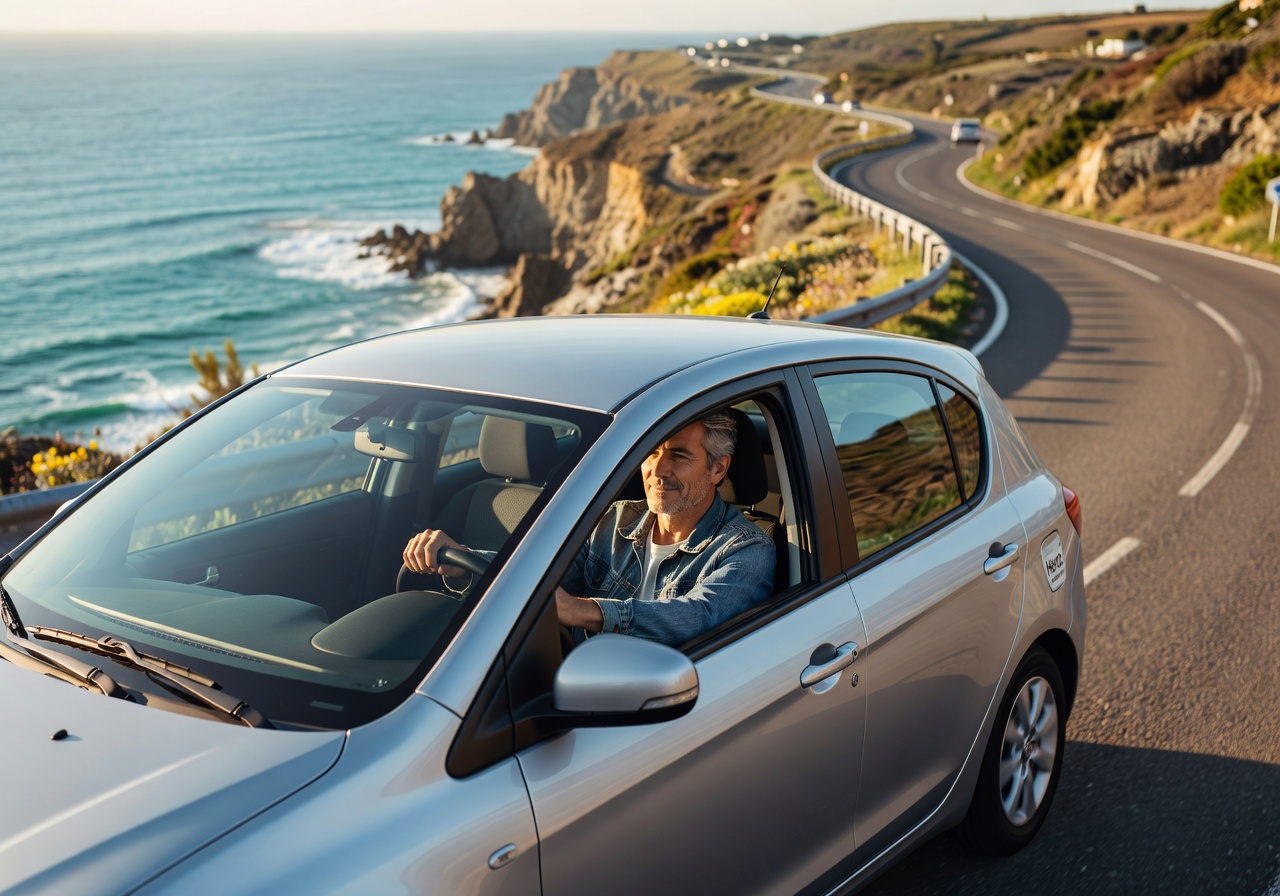
Best for exploring the countryside, coastal roads, and deep mountain areas at your own pace. Major international rental companies operate at all airports.
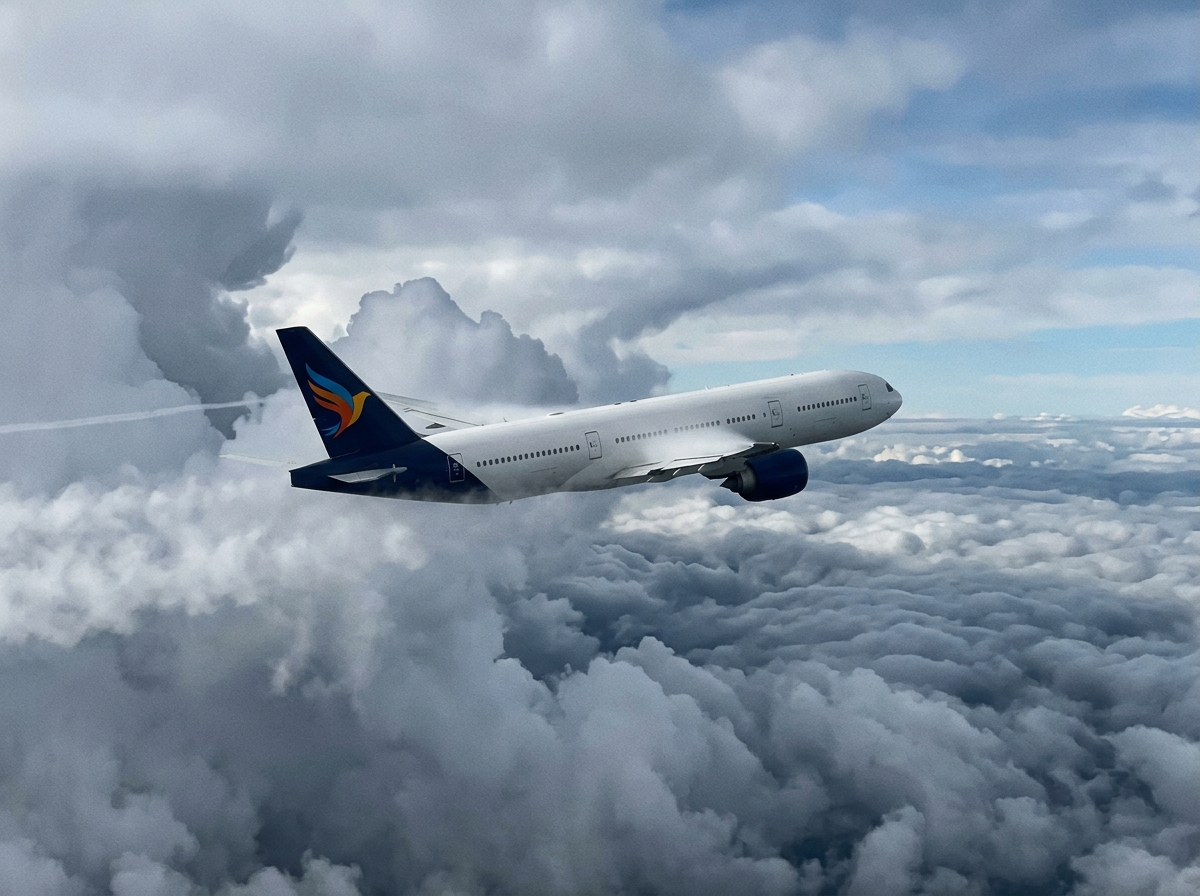
LOT Polish Airlines offers quick connections between major hubs like Warsaw Chopin (WAW) and Kraków Airport (KRK) or Gdańsk (GDN). Perfect for tight schedules.
Everything you need before you pack your bags
May to September is generally the best time for pleasant weather and outdoor activities. July and August are peak summer months with vibrant street life. For skiing in the Tatra Mountains, visit between December and March.
Poland uses the Polish Złoty (PLN), not the Euro. It is a very card-friendly country (Apple Pay/Google Pay are accepted almost everywhere). A mid-range budget is around 300-500 PLN per day, making it one of Europe's best value destinations.
The official language is Polish. English is widely spoken by younger generations and staff in hotels, restaurants, and tourist attractions. Learning a few polite words like Dzień dobry (Good morning) and Dziękuję (Thank you) will earn you warm smiles from locals.
Tipping around 10% to 15% is standard in restaurants if service isn't already included. It's customary to hand the tip directly to the server or ask them to add it to the card terminal before paying. In public transport, it is considered polite to yield seats to the elderly.
Poland offers excellent mobile coverage and fast internet. Free Wi-Fi is standard in hotels, cafes, and trains. If you are outside the EU roaming zone, prepaid SIM cards or eSIMs (from providers like Orange, Play, or Plus) are extremely cheap and easy to set up.
Poland is part of the Schengen Area. US, UK, Canadian, and Australian citizens can visit for up to 90 days without a visa for tourism purposes. Ensure your passport is valid for at least 3 months beyond your departure date.
Poland is generally extremely safe for tourists, with low violent crime rates. Standard precautions apply in crowded tourist areas (watch out for pickpockets). Emergency number is 112.
Experience true Polish hospitality and a deeply comforting culinary tradition
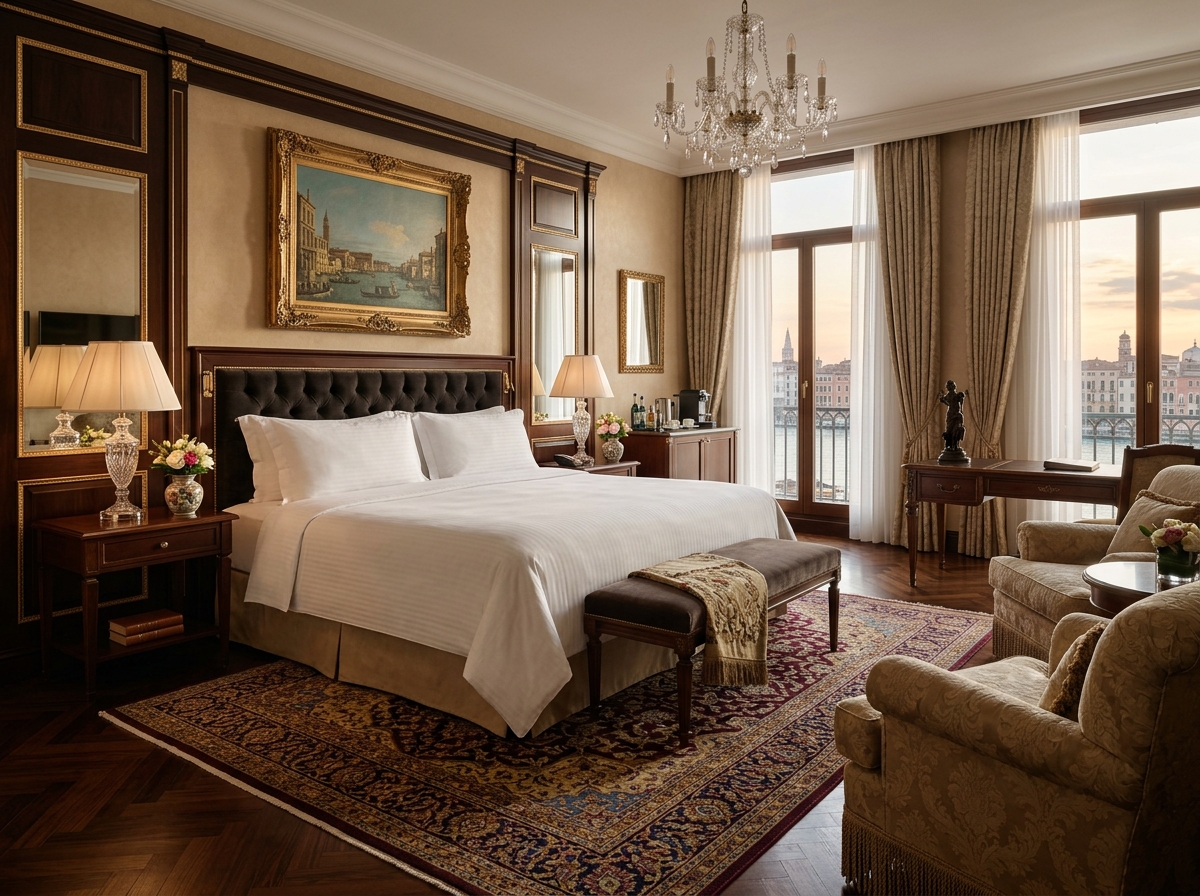
Options range from 5-star historic boutique hotels in Kraków's Old Town to ultra-modern apartments overlooking Warsaw's skyline. For an authentic experience in Zakopane, rent a traditional wooden chalet.
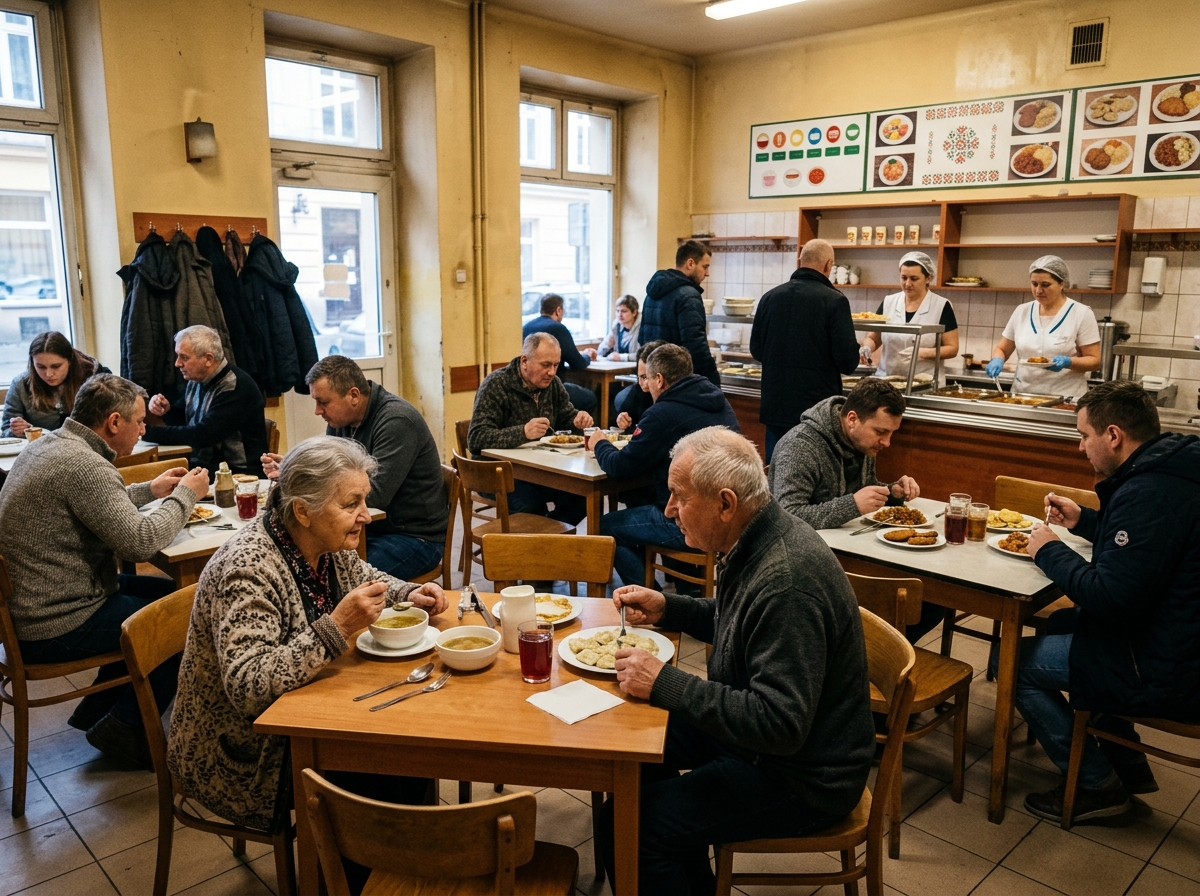
A holdover from the socialist era, these humble cafeterias serve incredible, inexpensive, homemade Polish food. It's the best way to eat like a local and experience true cultural immersion.
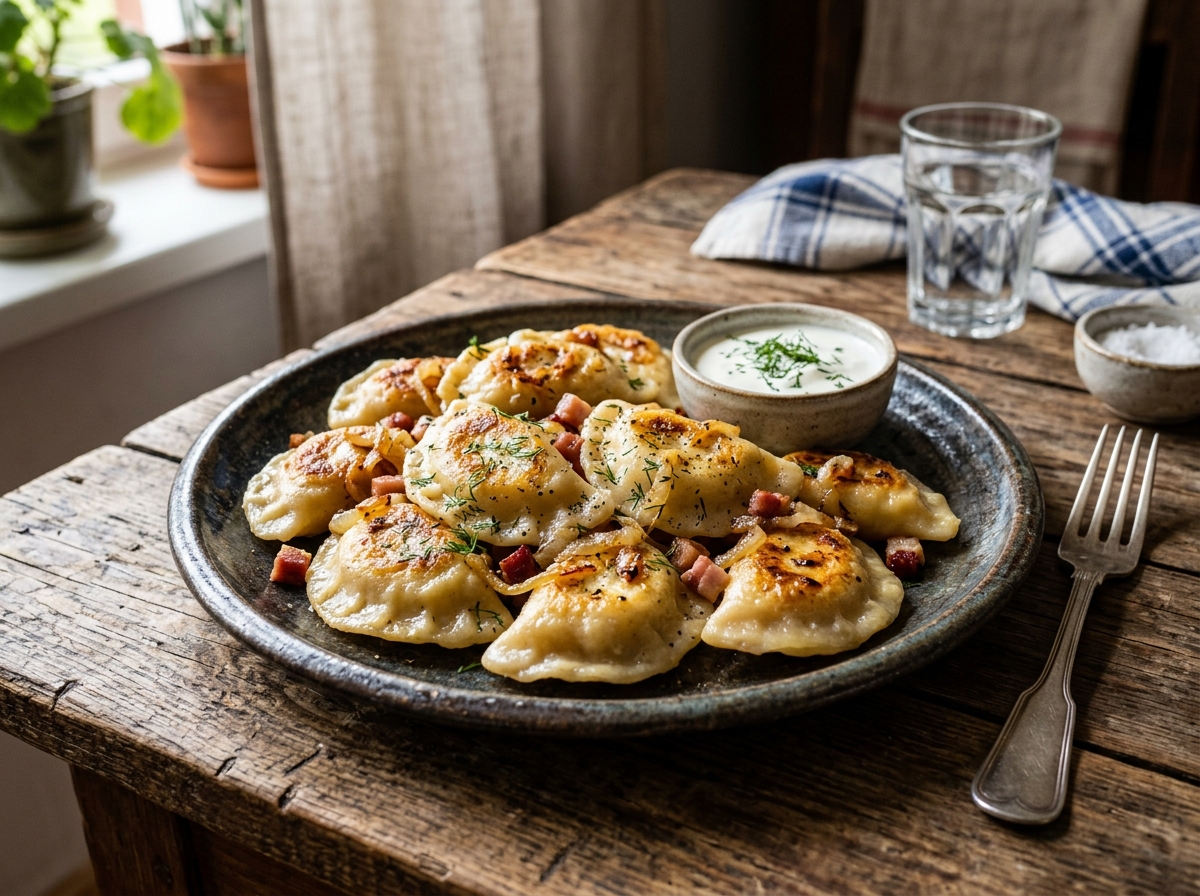
The undisputed king of Polish cuisine. These delicate dumplings are boiled or pan-fried. The classic 'Ruskie' are filled with potato and farmer's cheese, topped with caramelized onions.
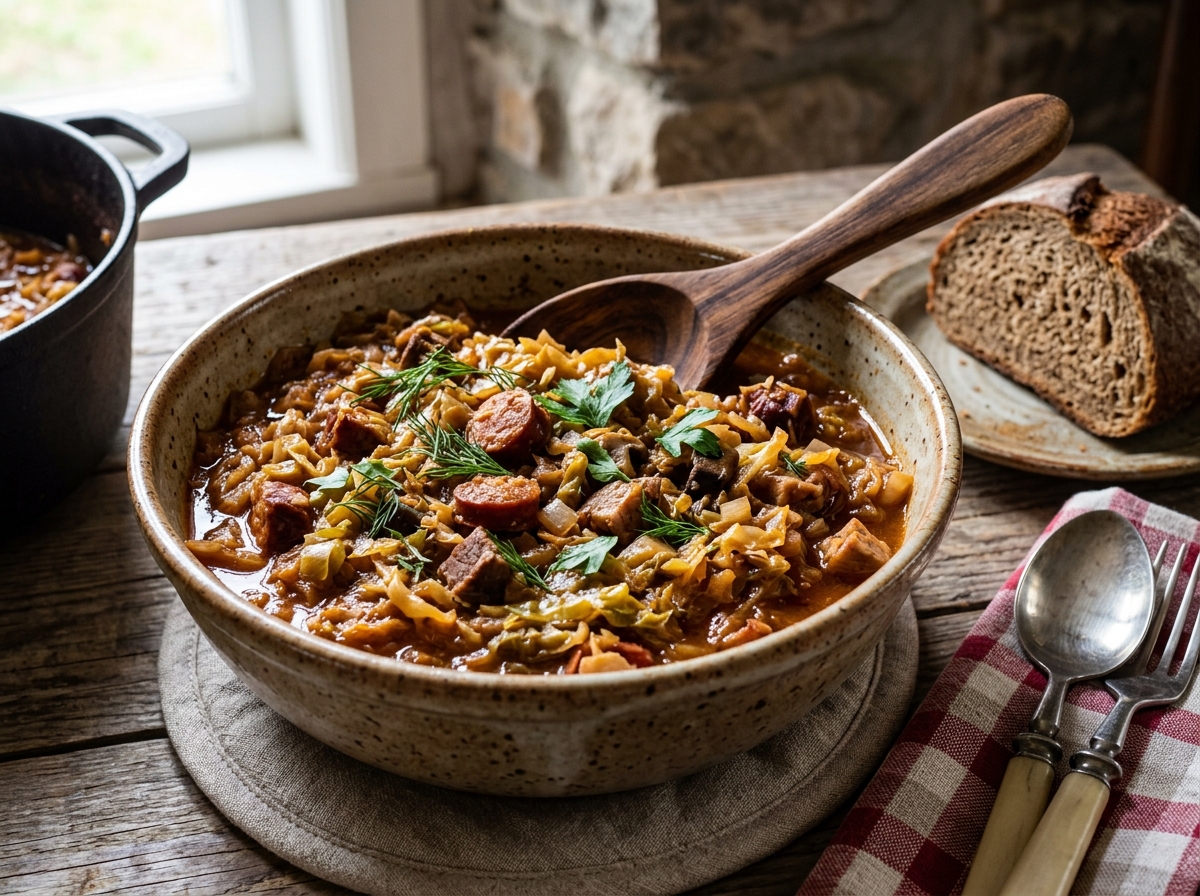
Bigos (Hunter's Stew) is a complex, slow-cooked mix of sauerkraut and meats. Żurek is a distinctively sour rye soup, often served steaming hot inside a hollowed-out crusty bread bowl.
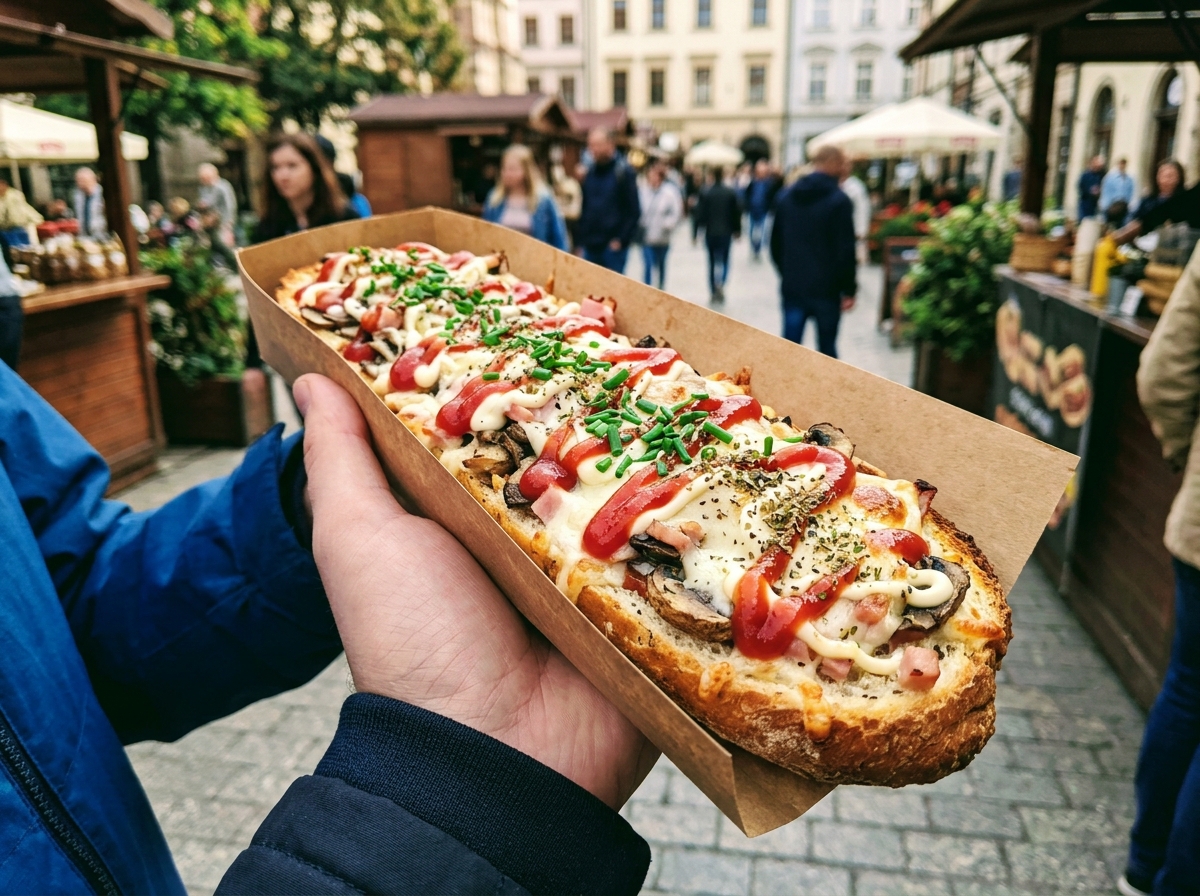
Poland’s favorite late-night street food. A halved baguette topped with mushrooms, melted cheese, and a drizzle of ketchup, toasted until perfectly crispy. Best enjoyed in Kraków's Kazimierz district.
Dense, rich, and incredibly satisfying Polish doughnuts. Traditionally filled with wild rose petal jam or plum preserve, and glazed with icing. A must-try accompaniment to your morning coffee.